Final Meeting on the Marine 3D Seismic Design and Modelling Study: Strengthening Synergy Between Academia and the Oil and Gas Industry
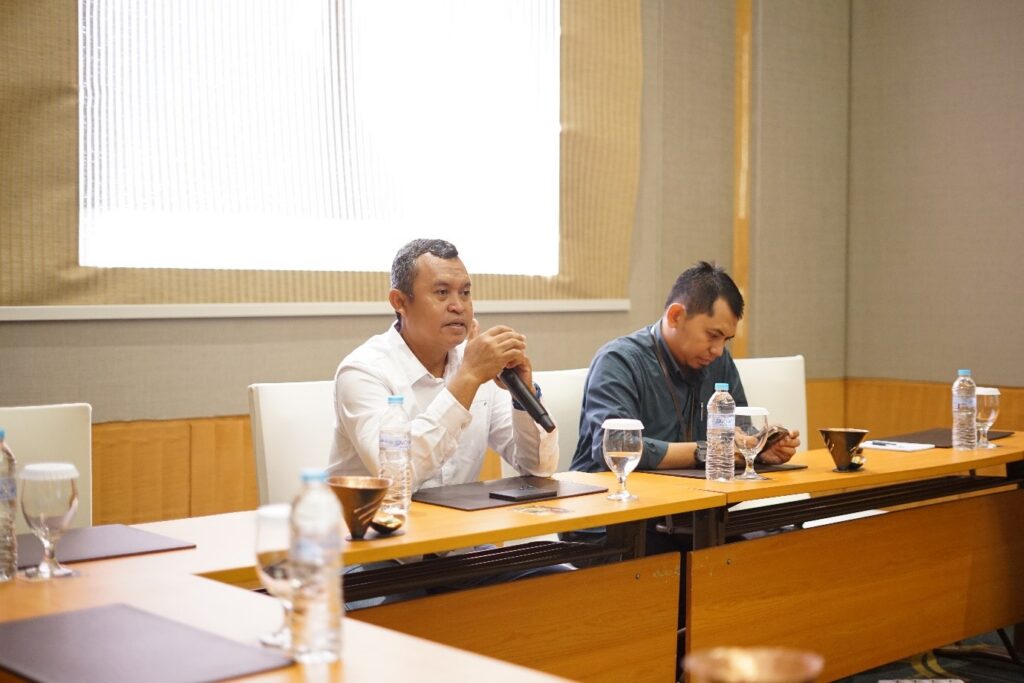
On Friday, October 2, 2026, the Final Meeting for the research collaboration entitled Provision of Marine 3D Seismic Design and Modeling Study (SWA-26-0006) between PT Saka Energi Indonesia and the Faculty of Mathematics and Natural Sciences (FMIPA), Universitas Gadjah Mada (UGM), was held at Hotel Tentrem, Yogyakarta.
The collaboration aims to develop an optimal seismic survey design before the acquisition process begins, ensuring that acquisition parameters and methods can be carefully planned from the outset. Representatives from FMIPA UGM explained that the collaboration aligns with the faculty’s vision and mission to advance scientific disciplines. Its benefits extend beyond the university community to the industrial sector, addressing future technological challenges and the practical needs of field operations.
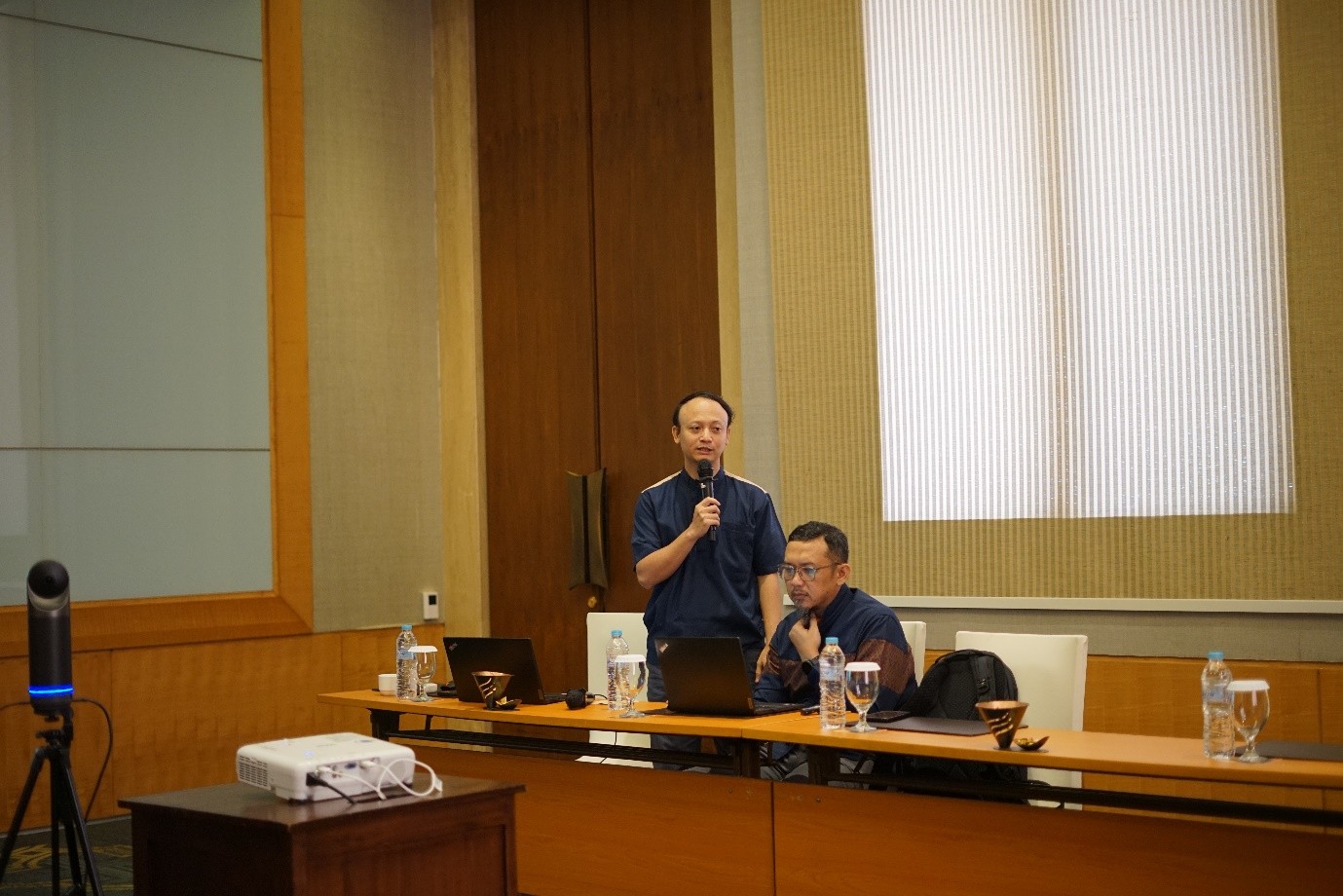
Several weeks earlier, FMIPA UGM had also organized a workshop focusing on underexplored basins. The workshop highlighted that less than 50% of Indonesia’s territory has been explored, while the remaining areas present significant challenges for future exploration, particularly in eastern Indonesia. From a technological perspective, access to data has become increasingly convenient, especially for regional studies. Geological concepts are also well understood by industry professionals. The growing availability of subsurface data, particularly information concerning Indonesia’s subsurface reserves, creates significant opportunities for further exploration.
Representatives from PT Saka Energi Indonesia expressed their gratitude to everyone involved for their attendance and hard work in preparing the study through to its final stage. Throughout the discussions, SAKA gained several valuable insights. SAKA’s acquisition area presents considerable challenges, and despite the availability of existing seismic data, there is a need to obtain higher-quality data. This study was conducted to ensure the best possible results under challenging operational conditions, with the findings intended to support future field development.
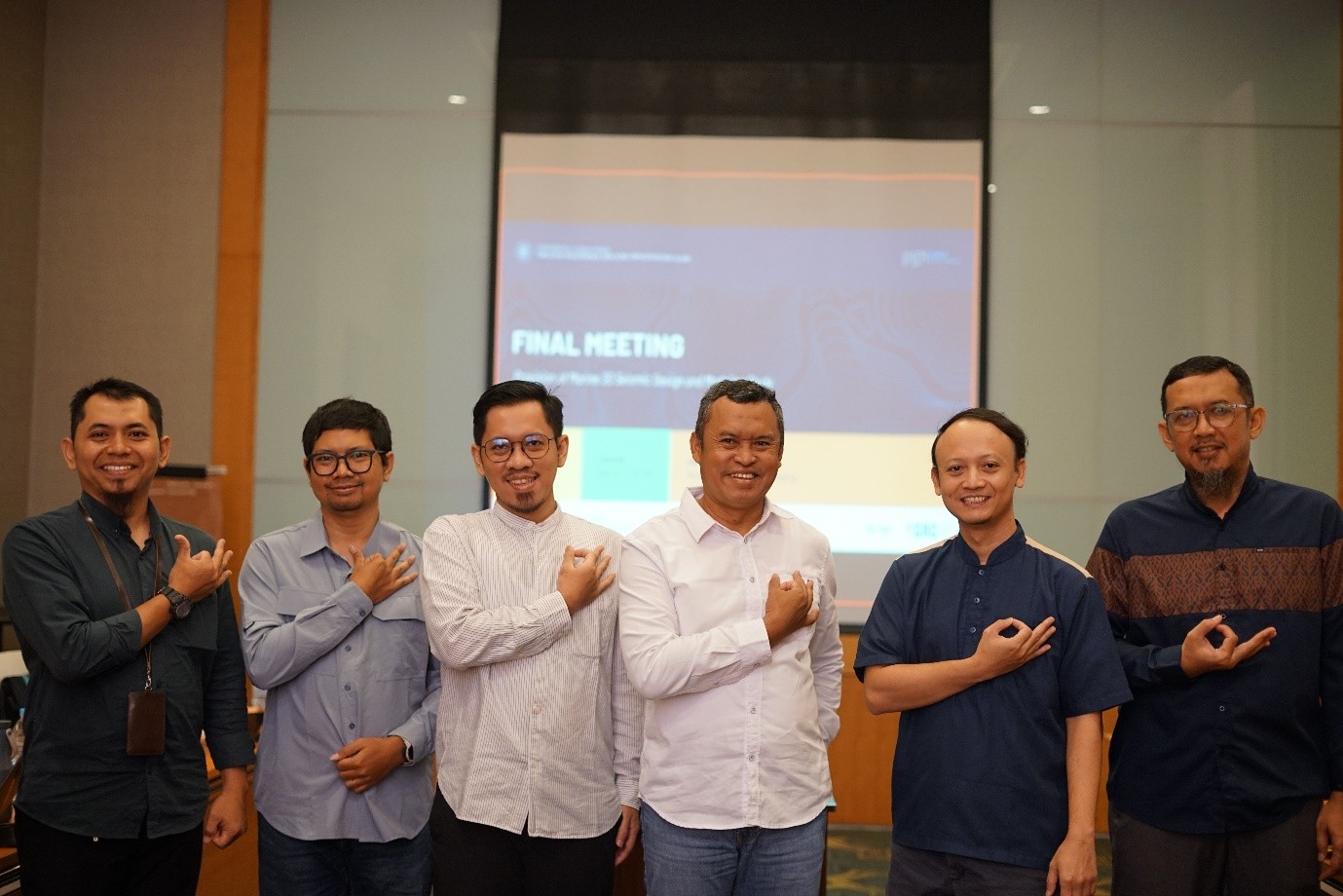
Three key points emerged from this collaboration. First, despite challenging conditions, acquisition methods can be optimized to achieve the best possible results. Second, technology in the oil and gas industry continues to evolve, as demonstrated by innovations such as Low-Frequency Passive Seismic (LFPS). Moving forward, the collaboration is expected to continue, incorporating more advanced technologies. Third, recognizing that students may face difficulties obtaining research data, SAKA offers opportunities for final-year research projects and internships, enabling students to work with real-world data owned by the company.
We extend our sincere appreciation to everyone who contributed to this collaboration. May partnerships between universities and industry continue to grow and deliver meaningful benefits to the advancement of science and technology in Indonesia.