Search

UNIVERSITAS GADJAH MADA FACULTY OF MATHEMATICS AND NATURAL SCIENCES 

Search

UNIVERSITAS GADJAH MADA FACULTY OF MATHEMATICS AND NATURAL SCIENCES 

Search

UNIVERSITAS GADJAH MADA FACULTY OF MATHEMATICS AND NATURAL SCIENCES 

Inovasi

Electrically Enhanced Oil Recovery Innovation: Geophysics FMIPA UGM and Upstream Innovation PHE Research Collaboration Is Ready for Field Deployment

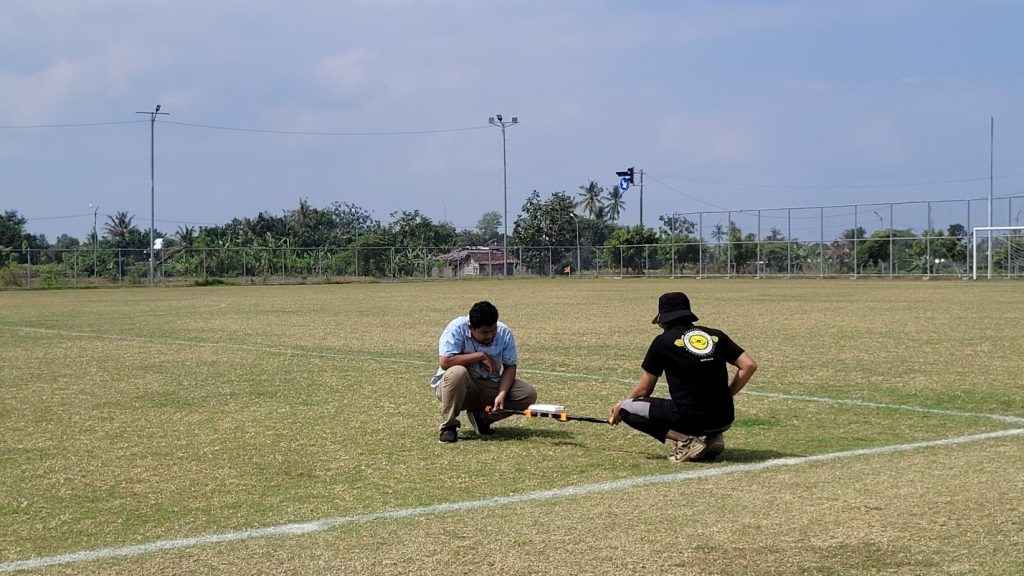
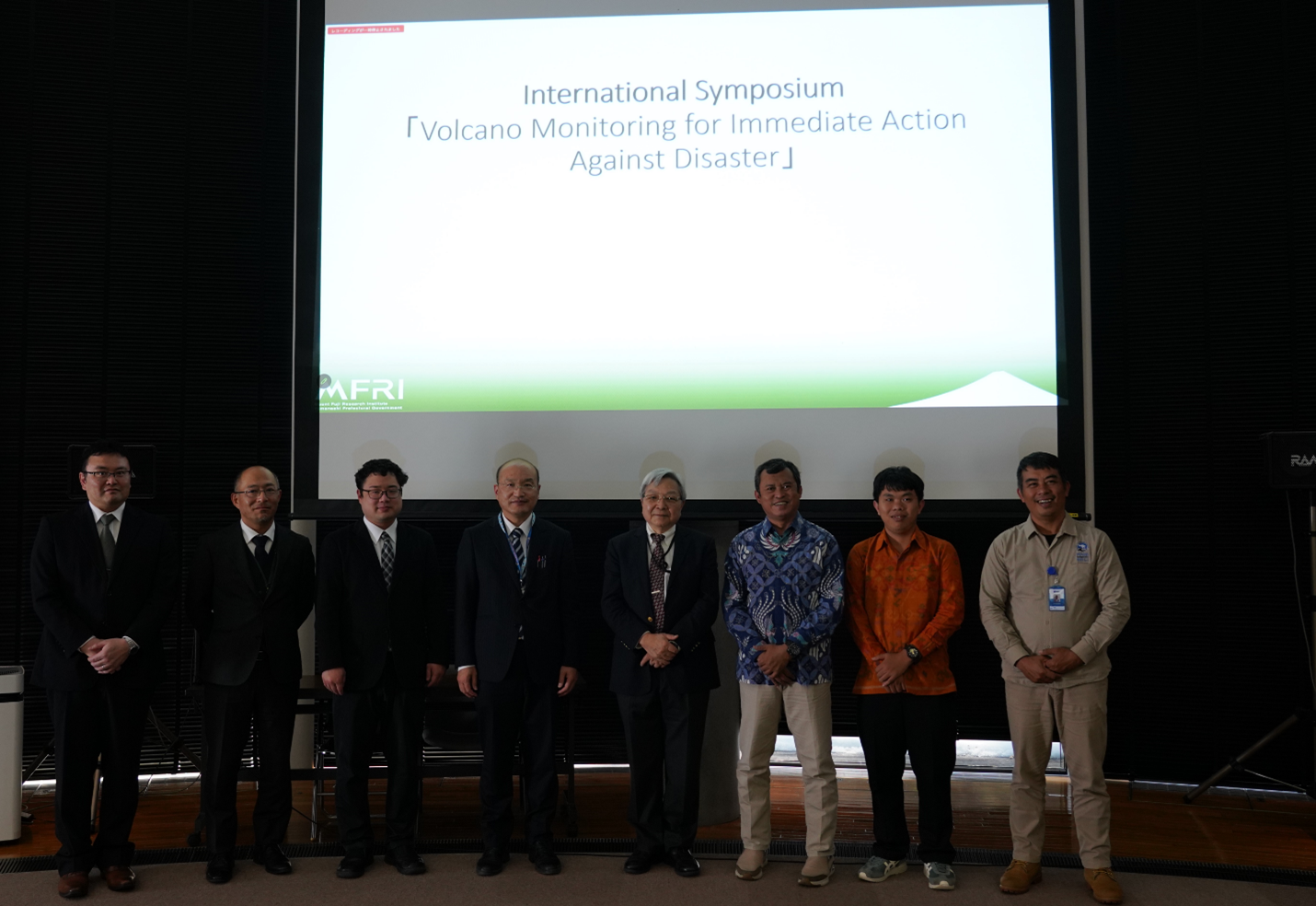
Geophysics UGM and Upstream Innovation PHE conducted initial field testing in 2023 (Photo: UGM Geophysics Research Team).

The collaboration between Geophysics FMIPA UGM and Upstream Innovation PHE in its third year through Electrically Enhanced Oil Recovery innovation is poised to enter the field. This effort is aimed at supporting the government’s program to increase oil production targets by 1 million barrels by 2030 in Indonesia. The UGM Geophysics Research Team, along with Upstream Innovation PHE, actively contributes to achieving this goal.

“Through this research collaboration, our (FMIPA UGM) hope is to support the government’s target of 1 million barrels of oil production,” said Prof. Kuwat Triyana, Dean of FMIPA UGM, during the “Kickoff Meeting for the Electrically Enhanced Oil Recovery Collaboration Study in 2024” held via online meeting on Monday, Jan 12th, 2024.

In 2023, initial field testing was conducted to assess the performance of the Electrically Enhanced Oil Recovery equipment. By continually improving the quality of this equipment, the UGM Geophysics Research Team and Upstream Innovation PHE are confident that they are ready to enter the field for broader oil production in 2024.

“We appreciate the trust placed in us over the past few years. We continue to strive in the development of this Electrically Enhanced Oil Recovery equipment to support the 1 million barrel production target in Indonesia,” said Dr. Afif Rakhman, head of the UGM Geophysics Research Team.

Electrically Enhanced Oil Recovery is one of the supportive methods in oil exploitation by injecting high-powered direct current (DC) into reservoirs to enhance production. By installing anodes and cathodes at specific distances and configurations, the electric current can alter the physical properties of the rocks it passes through, facilitating the movement of oil beneath the earth’s surface. The equipment developed by this team also features remote control capabilities through the internet network.

“This developed technology is easily implementable due to its relatively simple installation process and online operation, making it more effective and efficient in terms of time and cost,” said Metrik Pradana, initiator of the Electrically Enhanced Oil Recovery research from Upstream Innovation PHE.

The technological innovation built through collaboration between institutions and industry partners is an effort to support government programs, particularly in contributing to the achievement of Sustainable Development Goals (SDGs). This research collaboration reflects point 9 – Infrastructure, Industry, and Innovation, through innovation in meeting the country’s energy needs, as well as point 17 – Partnerships to Achieve Goals, through collaborative efforts to meet the goal of national oil requirements production.

Keywords: Geophysics, Pertamina, PHE, oil, Electrically Enhanced Oil Recovery

Author: Pamungkas Yuliantoro

Photo: UGM Geophysics Research Team.

Editor: Febriska Noor Fitriana
Read More

UGM, UNUD, and MFRI Collaborate on Astungkara Giri Agung Aman (AGAA) Project: Supporting Joint Learning and Sharing Experiences in Understanding Disaster Risks

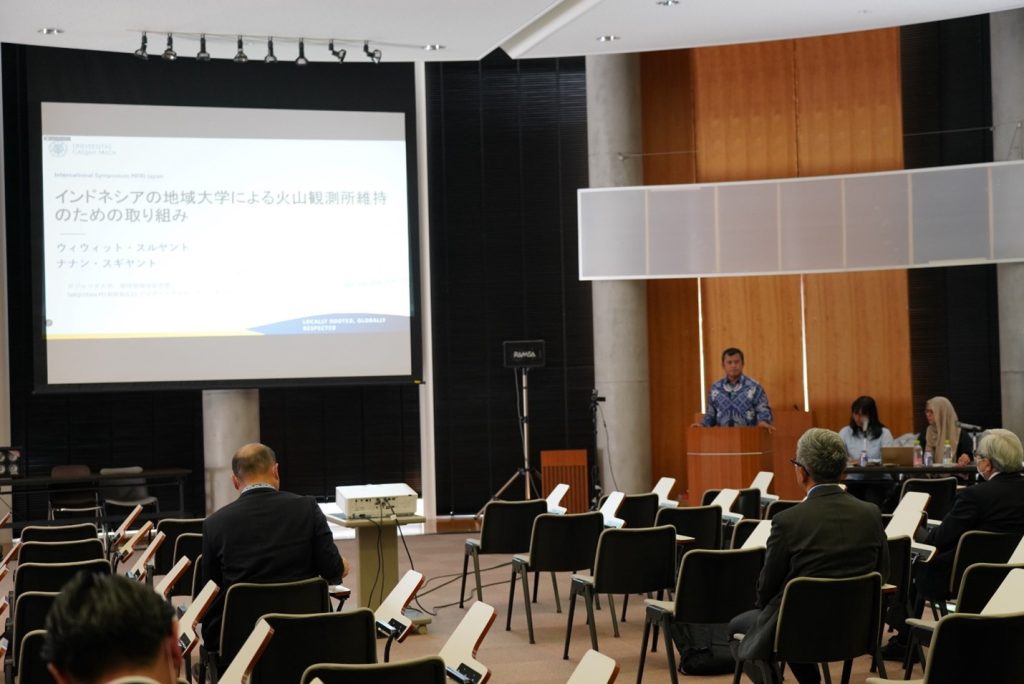
Dr. Wiwit Suryanto, representing the Astungkara Giri Agung Aman Project as a Geophysics lecturer at UGM, succinctly presented the project’s activities up to 2024

The Geophysics FMIPA UGM collaborated with the Faculty of Tourism and the Faculty of Engineering of Udayana University (UNUD), along with the Mount Fuji Research Institute (MFRI) to organize a workshop and focus group discussion (FGD) as the annual flagship activity of the AGAA Project. The AGAA Project aims to enhance disaster preparedness on the slopes of volcanoes in Indonesia. The workshop and FGD activities occurred at the Lereng Agung Restaurant, Besakih Village, Menanga District, Karangasem Regency, Bali on Saturday Feb 3rd 2024.

“This activity is expected to provide a platform for mutual learning from the experiences of speakers in disaster mitigation strategies, particularly volcanic eruptions,” said Dr. Wiwit Suryanto, the head of the AGAA project and a lecturer in Geophysics at the Faculty of Mathematics and Natural Sciences, UGM. The speakers included representatives from the Regional Disaster Management Agency (BPBD) of East Java (Mount Kelud and Semeru), North Sumatra (Mount Sinabung), West Sumatra (Mount Marapi), the Coordinator of the Disaster Risk Reduction Forum in Yogyakarta Special Region, and the Fujiyoshida City BPBD in Japan. Each speaker shared experiences from their respective regions in handling volcanic eruption crises and the contingency plans held by each area. This workshop and FGD are part of the AGAA Project funded by the Japan International Cooperation Agency (JICA) through a grassroots project scheme. The AGAA Project aims to build disaster-resilient communities by empowering local universities. This workshop and FGD represent the culmination of Year 2 activities in the AGAA project. Attendees this Saturday included the Karangasem Regency BPBD, local disaster mitigation enthusiasts grouped in the Karangasem Regency Disaster Risk Reduction Forum, and the headmasters of public elementary schools in Karangasem Regency. By participating in this event, the local community of Karangasem can directly learn from other volcano slope communities in Indonesia. Furthermore, the lessons learned from this one-day workshop and FGD can serve as a guideline for the Disaster Risk Reduction Forum (PRB) in the Karangasem Regency in preparing for future eruptions of Mount Agung.

Dr. Ade Anggraini, a geophysics expert and lecturer at UGM, led a focus group discussion on the Development of Local Platforms in building community preparedness on the slopes of Indonesian volcanoes

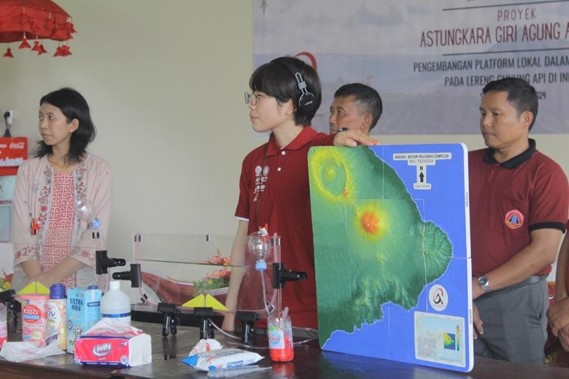
The demonstration of volcanic disaster mitigation teaching aids, created by MFRI Japan and the geophysics laboratory at UGM, was conducted by elementary school principals on the slopes of Mount Agung alongside MFRI staff


During this occasion, a simple experiment was demonstrated on the mechanism of volcanic eruption using basic teaching aids. The experiment was facilitated by staff from MFRI Japan and demonstrated by the school headmasters who had previously undergone training sessions from the AGAA Project in 2023 and 2024. The same teaching aids were also distributed to the Karangasem PRB Forum. They will be used as educational tools for the community to understand the mechanisms of volcanic eruptions in a simple yet scientifically accurate manner. Thus, it is hoped that the disaster mitigation learning of the Karangasem community regarding volcanic eruptions will continue and endure after the conclusion of the AGAA Project in 2025 in line with the implementation of the Sustainable Development Goals (SDGs). This activity aligns with SDG point 11 under pillar 5 on Sustainable Cities and Communities, particularly in reducing the adverse impacts of natural disasters. Point 11, pillar 5, relates to reducing the risk index, disaster prevention, preparedness, and post-disaster mitigation.

Keywords: geophysics, disaster mitigation, volcano

Author: Fayza Indhira

Photos:  AGAA Project

Editor: Dr.rer.nat. Ade Anggarini, S.Si., M.Si.

Read More

Enhancing Publication: UGM Geophysics Lab’s SP-ERT Research Study Ready to Extend Collaboration with Industry

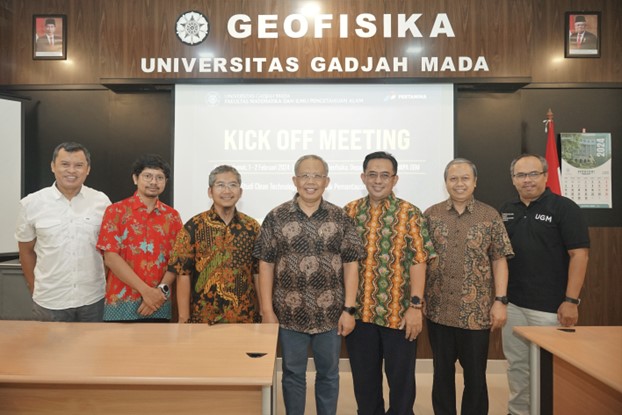
Kick-Off Meeting by Pertamina Hulu Energy, the Dean’s Office of FMIPA UGM, and the SP-ERT Research Study innovation team. From left to right: Dr. Wiwit Suryanto, Dr. T. Marwan Irnaka, Fatkhul Mu’in, Prof. Kuwat Triyana, Dr. Fajar Adi Kusumo, and Dr. Eddy Hartantyo (photo: Shofi R.)


With the spirit of strengthening scientific publication, the SP-ERT (Self Potential – Electrical Resistivity Tomography) research study at UGM Geophysics Laboratory collaborates with PT Pertamina Hulu Energi Upstream Innovation (PHE-UI) continued into 2024, marked by the Kick-Off Meeting on Feb 1st – 2nd Feb 2024, in the Merapi Room, Department of Physics, FMIPA UGM. This study is a development of laboratory and field-scale research that has been ongoing since 2022.

“This is the first kick-off activity in 2024,” said Dr. Wiwit Suryanto, Vice Dean for Research and Cooperation, in his opening remarks. “For us, it is a blessing because Upstream Innovation is still willing to collaborate with us to continue this research.”

The previously conducted SP-ERT study was deemed capable of detecting water injection activities at one of Pertamina’s fields. Its advantage lies in its ability to transmit data wirelessly, allowing users to access field data from anywhere using internet-connected devices.

In addition to the study’s advantages, Fatkhul Mu’in, Specialist Innovation Geophysics Upstream Innovation, is optimistic about the production of not only instruments and software but also scientific papers. “Among the many collaborations we have forged, FMIPA UGM feels beneficial. Unfortunately, it is not visible, only we (Upstream Innovation) know. Whereas in the geoscience community, it is not visible. This year, I ask to take the stage,” said Mr. Mu’in at the kick-off event.

Dean of FMIPA UGM, Prof. Kuwat Triyana, is aware of the lack of publications from studies at FMIPA UGM, particularly in geophysics. “Geophysics is a data repository. Hence, it is regrettable if, as a ‘warehouse’ of data, there is no time to write (for publication),” emphasized Prof. Kuwat, who also opened this activity.

The kick-off at the beginning of this year is expected to ignite a new spirit in scientific publication related to studies in UGM Geophysics, thus supporting Sustainable Development Goals. Point 4 about Quality Education is supported by contributions to the scientific community through scientific publications. Moreover, innovation and collaboration with industry are in line with point 9 by involving researchers, engineers, and lecturers.

Keywords: Geophysics, industry collaboration, Pertamina, water injection

Author: Shofi Rahmadini

Photo: Shofi Rahmadini

Editor: Febriska Noor Fitriana
Read More

Breaking Ground with Thermodrillsy Study Elaboration: Integration of Science, Engineering, and Industry Faculties

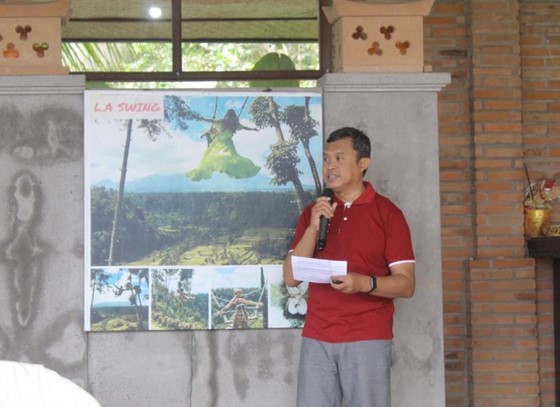
Discussion involving all parties involved in Thermodrillsy research, FMIPA UGM, FT UGM, Elnusa, and Pertamina Hulu Energy (01/02) at the Merapi Room, Department of Physics, FMIPA UGM (Photo by: Pamungkas Y)


In the context of elaborating the ongoing study collaboration between the Faculty of Mathematics and Natural Sciences (FMIPA) UGM, the Faculty of Engineering UGM, Pertamina Hulu Energi, and Elnusa, a progress meeting on the development study of Thermodrillsy was held on 1 – 2 February 2024 in the Merapi Room, Department of Physics, FMIPA UGM.

Dr. Afif Rakhman, Head of the Geophysics Laboratory, FMIPA UGM, stated during the opening of the event, “For us, this collaboration represents something new and a significant challenge. Thus, within the Department of Physics (DF) FMIPA UGM, we involve the Department of Industrial Mechanical Engineering (DTMI), Faculty of Engineering UGM, in conducting Pertabocsy research using Thermodrillsy.”

Pertabocsy is a method initially developed by Pertamina to map hydrocarbon potential based on temperature. The integration of industry (Pertamina) with academia (UGM) in this case, the Geophysics and Industrial Mechanical Engineering programs, is expected to address field challenges effectively.

“This research will be applied in swampy environments,” Dr. Afif explained the field challenges affecting the specifications of the equipment to be developed. Dr. Ir. Teguh Pudji Purwanto, representing DTMI, affirmed this statement. “The soil has bearing capacity, so our equipment must be able to handle this.”

Multidisciplinary integration can be the key to success. The collaboration fostered by the Department of Physics, FMIPA UGM, reflects point 17, which is a partnership for goal achievement through collaborative field study activities in fulfilling hydrocarbon resource needs.

Author: Shofi Rahmadini

Photos: Pamungkas Yuliantoro

Editor: Febriska Noor Fitriana
Read More

UGM Students Unveil Electric Motorcycle with 57% Domestic Content


The Gasbadra team at UGM has spearheaded research and development in Indonesia, focusing on creating electric motorcycles with an impressive 57.42% domestic component level (TKDN).


Dhamar Gumilang Panggayuh, the Gasbadra’s engineer, proudly shared the team’s achievement during a press discussion at the UGM Faculty of Mathematics and Natural Sciences on Thursday (Jan. 4).

“Our electric motor boasts a TKDN of 57.42%, surpassing the government’s target of 50% TKDN,” he declared.

The evolution of the electric motor has been ongoing since 2022, with the team continuously advancing various components under the guidance of the UGM Computer Science and Electronics Department lecturers. The project also receives support from PLN.

The Gasbadra team, led by Wisnu Aryo Jatmiko, has members Gilang Rizky Yunanto, Ferdian Arvin Nayandra, Alfahri Rifki Fahrezi, Heva Adlli Wijaya, Stefano Aldo Budi Satria, Rayhan Tegar Pamungkas, Muhammad Fakhri Ajrillah, Yuta Ilham Nugroho, Aulia Malik, Dhamar Gumilang Panggayuh, dan Faiz Yuda Anggoro–all are Electronics and Instrumentation students.

They diligently worked on crafting electric motorcycles to combat exhaust emissions from conventional fuel-based vehicles.

The team has delved into multifaceted research encompassing the frame, body, powertrain, and electric vehicle electronics, including the battery pack, power distribution, and BLDC controller.

“In our battery pack, we’ve incorporated a battery management system equipped with over-current, over-voltage, and short-circuit protection features to ensure battery safety,” explained Panggayuh.

Beyond safety, the Gasbadra team has prioritized efficiency and smooth starts for their electric motor. The team’s initiative aligns seamlessly with Sustainable Development Goal 7, which aims to achieve clean and affordable energy.

“In terms of electrical efficiency, our developed motor excels,” remarked Panggayuh.

Yuta Ilham Nugroho, another team member, highlighted that their electric motor’s range is comparable to other models on the market. However, it outshines competitors in producing a more powerful maximum output.

The team’s mid-drive DC brushless electric motor operates at 72V with a maximum current of 40A, delivering an impressive torque of 45Nm at 3000rpm and reaching speeds of 65-70 km/h with a max rpm of 4800.

The Gasbadra team has introduced two driving modes: eco mode and sport mode. In eco mode, the motor can cover an estimated 40 km on a single charge, emphasizing battery life.

On the other hand, sport mode prioritizes swift acceleration for a faster reach to the maximum speed. The estimated coverage in sport mode is up to 30 km.

“The fundamental difference in each mode lies in the acceleration curve. Sport mode reaches the maximum speed faster, while eco mode prioritizes battery life, offering smoother initial acceleration ideal for urban areas with flat terrain,” explained Nugroho.

The team has implemented a more responsive regenerative braking system in eco mode. When the throttle is released, regen brake activation produces reverse current, recharging the battery. The battery specifications include 84V 20Ah, requiring six to seven hours for a full charge.

“This electric motorcycle features a robust scrambler design, exuding a masculine aura tailored for terrain exploration. With a dual-purpose capability for road and off-road use,” he concluded.

Author: Ika

Photographer: Firsto

Source: https://ugm.ac.id/en/news/ugm-students-unveil-electric-motorcycle-with-57-domestic-content/

Read More

Empowering Indonesia’s Energy Future: FMIPA UGM and Pertamina Lead with Geophysics Innovation Study

The commitment to maintaining a balance between energy availability and demand is consistently pursued by FMIPA UGM and Upstream Innovation Pertamina Hulu Energi through collaborative research efforts. This aligns with the three SDGs points: (1) clean and affordable energy, (2) infrastructure, industry, and innovation, and (3) partnerships to achieve goals. In connection with this, a user meeting was organized as a discussion forum on geophysics innovation studies. The event took place on December 19-20, 2023, in Yogyakarta. Besides presenting research reports, the agenda served as a platform for disseminating knowledge related to the management and exploration of energy potential, especially petroleum.

One of the research topics under discussion is the Clean Technology SP-RT for Water Injection Monitoring. This research refers to clean energy-based innovations that are effective and cost-efficient. The effectiveness of existing innovations in the oil exploration process addresses the challenge of balancing energy availability and demand. On the other hand, the presence of innovation in this research undermines environmentally damaging methods, such as explosive detonation techniques.

Dr. T. Marwan Irnaka, M.Sc., a member of the research team, emphasized that the developed research must consider the conditions of the surrounding community. This is done to alleviate conflicts that often arise in society due to social sentiments formed towards energy exploration activities. “In the field, we (the research team) strive to build good interactions with the community using a positive approach. Even when leaving, we are sometimes detained,” recalled Irnaka during field exploration. In this regard, it is conveyed that the research conducted also provides an opportunity for students to be involved, allowing them to experience firsthand the implementation of knowledge acquired in the professional world. The hope is that geophysics studies will continue to evolve through ongoing research efforts to guide future energy exploration and management.

Humas FMIPA UGM | Febriska Noor Fitriana

Photo: Shofi Rahmadini

Read More

Sustainable Innovation: Solar Power Lights Up Chicken Coops in Grembyangan Village, Sleman

In a corner of Grembyangan Village, Madurejo, Prambanan, Sleman, a sustainable breakthrough is bringing new light and knowledge. The Jago Rejeki Livestock Group, known for their “Jowo Super” chicken breed, has taken a significant step towards sustainability by implementing a Solar Power Plant (PLTS). With a capacity of 320 Wp, this PLTS has been installed in the livestock coop, serving as a symbol of progress and environmental concern.

The installation of the PLTS is not just about illumination. It’s about transformation. By using a 65 Ah dry battery and 5 DC 12V/12W lamps, this PLTS successfully provides lighting for the coop at night, improving the quality of life for the chickens and facilitating the farmers in managing the coop.

Beyond that, this initiative also serves as an educational tool for the residents, especially the members of the livestock group. They are introduced to environmentally friendly advanced technology, learn about the components of the PLTS, as well as its installation and operation. The initiator of this activity, Physics Department Lecturer at Gadjah Mada University, Ihsan Setiawan, M.Sc., has brought significant change to the community.

The implementation of PLTS is also in line with the Sustainable Development Goals (SDGs), particularly in the areas of clean and affordable energy (SDG 7), industry, innovation, and infrastructure (SDG 9), and climate action (SDG 13). This initiative not only reduces dependence on fossil energy but also helps to decrease greenhouse gas emissions, taking small yet crucial steps towards a more sustainable future.

This activity serves as evidence that small steps can make a big impact. Grembyangan Village, through this innovation, showcases how communities can collaborate to achieve sustainability and how technology can be the key to a brighter and greener future. (FNF/RNC)

Read More

Mahasiswa UGM Kembangkan AI dan AR untuk Perawatan dan Edukasi Kesehatan Gigi Anak

Dalam upaya meningkatkan perawatan dan edukasi kesehatan gigi dan mulut anak-anak, Tim PKM Pi Universitas Gadjah Mada (UGM) telah merintis inovasi luar biasa yang diberi nama “Aplikasi Gigi Kecil”. Aplikasi ini menggabungkan dan mengimplementasikan teknologi Artificial Intelligence  (AI) dan Augmented Reality (AR) untuk memberikan solusi atas permasalahan yang relevan dengan perkembangan zaman.

Aplikasi Gigi Kecil diinisiasi oleh tiga mahasiswa Pendidikan Dokter Gigi FKG, yaitu Dwina Aulia Ristyoningrum, Ariefa Nugrahany Nursalim, dan Ribka Wijayanti Kusnardi serta berkolaborasi dengan dua mahasiswa Ilmu Komputer FMIPA, yaitu Fitriansyah Eka Putra dan Khoirul Anam   . Di bawah bimbingan drg. Mohammad Fadyl Yunizar, MPH., Ph.D., kelimanya mengembangkan aplikasi Gigi Kecil dengan pendanaan dari Program Kreativitas Mahasiswa Penerapan IPTEK (PKM-PI) Kemendikbud Ristek 2023.

Inovasi ini bermula dari permasalahan yang dihadapi RSGM UGM Prof. Soedomo dalam  perawatan gigi anak. “Promosi kesehatan gigi anak yang dilakukan oleh RSGM UGM masih sangat terbatas, hanya melalui akun instagram dan website. Itu pun kami hanya memiliki sedikit konten edukasi kesehatan gigi anak,” tutur Humas RSGM UGM Prof. Soedomo saat berdiskusi dengan tim PKM PI. Selain itu, pihak RSGM juga menyatakan bahwa pasien anak sering mengalami ketidakberlanjutan perawatan. “Banyak pasien anak yang perawatannya putus di tengah jalan. Selama ini, tidak ada yang dapat memonitor perawatan pasien anak, terutama dalam perawatan jarak jauh”. Padahal, kesehatan gigi dan mulut anak sangat perlu diperhatikan. Gigi susu sangat mempengaruhi gigi permanen yang tumbuh. Apabila tidak terjadi ketidaksempurnaan dalam perawatan, maka akan mempengaruhi gigi permanen yang tumbuh.

Dari persoalan dan kekhawatiran tersebut dikembangkanlah aplikasi Gigi kecil yang merupakan aplikasi Android dengan fitur utama berupa Screening yang dapat mengidentifikasi karies pada gigi anak secara real-time dengan menerapkan artificial intelligence sebagai pendeteksinya. Ada pula fitur Ayo Belajar! Yang merupakan fitur edukasi berbasis augmented reality untuk membantu anak kecil memahami mengenai proses gigi berlubang. Aplikasi Gigi Kecil juga menyediakan fitur Kalender, Pengingat, dan Fitur Chat yang akan terintegrasi dengan RSGM UGM Prof. Soedomo.

Aplikasi ini telah diuji cobakan pada pembukaan Bulan Kesehatan Gigi Nasional yang diselenggarakan pada tanggal 12 September 2023 di FKG UGM dan RSGM UGM Prof Soedomo. Aplikasi ini mendapat antusiasme tinggi dari masyarakat, khususnya pasien anak rsgm UGM prof Soedomo. Melalui uji coba ini, terbukti banyak pengunjung Ibu yang memiliki anak terkesan dengan fitur yang dimiliki aplikasi ini, terutama konsultasi gratis dengan dokter gigi profesional. Sedangkan, pasien anak langsung menyukai permainan edukasi berbasis augmented reality yang menjadi andalan aplikasi ini. Tidak hanya itu, banyak Staff RSGM Prof. Soedomo yang merasa terbantu dengan adanya aplikasi ini. Mereka sangat berharap, dalam perkembangan selanjutnya, aplikasi ini mampu terintegrasi seutuhnya dengan manajemen rumah sakit sehingga digitalisasi pelayanan kesehatan dapat membawa keefektifan dan keefisienan sistem rumah sakit.

Dengan adanya aplikasi ini, diharapkan masyarakat akan lebih teredukasi akan pentingnya kesehatan gigi anak, terputusnya perawatan kesehatan di RSGM Prof. Soedomo akan berkurang, serta pelayanan kesehatan gigi dan mulut dapat optimal. Adanya aplikasi ini menjadikan RSGM. Prof. Soedomo sebagai satu-satunya Rumah Sakit Gigi dan Mulut yang memiliki aplikasi digital. Ditambah lagi, aplikasi ini bukan hanya untuk pendaftaran online, tetapi mampu mengedukasi serta memantau selama periode perawatan gigi dan mulut anak. Melalui aplikasi ini, kualitas kesehatan gigi dan mulut anak Indonesia akan meningkat!

Tim PKM-PI saat ini dalam tahapan mengunggah Aplikasi Gigi Kecil ke Google PlayStore, namun masyarakat dapat mencoba menggunakan Aplikasi Gigi Kecil melalui laman alternatif yang disediakan yaitu https://linktr.ee/gigikecil. Melalui Aplikasi Gigi Kecil mereka berharap dapat membantu RSGM UGM Prof. Soedomo dalam mempromosikan serta mengedukasi masyarakat mengenai kesehatan gigi anak.

Read More

Electrically Enhanced Oil Recovery Innovation: Geophysics FMIPA UGM and Upstream Innovation PHE Research Collaboration Is Ready for Field Deployment

Geophysics UGM and Upstream Innovation PHE conducted initial field testing in 2023 (Photo: UGM Geophysics Research Team).

The collaboration between Geophysics FMIPA UGM and Upstream Innovation PHE in its third year through Electrically Enhanced Oil Recovery innovation is poised to enter the field. This effort is aimed at supporting the government’s program to increase oil production targets by 1 million barrels by 2030 in Indonesia. The UGM Geophysics Research Team, along with Upstream Innovation PHE, actively contributes to achieving this goal.

“Through this research collaboration, our (FMIPA UGM) hope is to support the government’s target of 1 million barrels of oil production,” said Prof. Kuwat Triyana, Dean of FMIPA UGM, during the “Kickoff Meeting for the Electrically Enhanced Oil Recovery Collaboration Study in 2024” held via online meeting on Monday, Jan 12th, 2024.

In 2023, initial field testing was conducted to assess the performance of the Electrically Enhanced Oil Recovery equipment. By continually improving the quality of this equipment, the UGM Geophysics Research Team and Upstream Innovation PHE are confident that they are ready to enter the field for broader oil production in 2024.

“We appreciate the trust placed in us over the past few years. We continue to strive in the development of this Electrically Enhanced Oil Recovery equipment to support the 1 million barrel production target in Indonesia,” said Dr. Afif Rakhman, head of the UGM Geophysics Research Team.

Electrically Enhanced Oil Recovery is one of the supportive methods in oil exploitation by injecting high-powered direct current (DC) into reservoirs to enhance production. By installing anodes and cathodes at specific distances and configurations, the electric current can alter the physical properties of the rocks it passes through, facilitating the movement of oil beneath the earth’s surface. The equipment developed by this team also features remote control capabilities through the internet network.

“This developed technology is easily implementable due to its relatively simple installation process and online operation, making it more effective and efficient in terms of time and cost,” said Metrik Pradana, initiator of the Electrically Enhanced Oil Recovery research from Upstream Innovation PHE.

The technological innovation built through collaboration between institutions and industry partners is an effort to support government programs, particularly in contributing to the achievement of Sustainable Development Goals (SDGs). This research collaboration reflects point 9 – Infrastructure, Industry, and Innovation, through innovation in meeting the country’s energy needs, as well as point 17 – Partnerships to Achieve Goals, through collaborative efforts to meet the goal of national oil requirements production.

Keywords: Geophysics, Pertamina, PHE, oil, Electrically Enhanced Oil Recovery

Author: Pamungkas Yuliantoro

Photo: UGM Geophysics Research Team.

Editor: Febriska Noor Fitriana
Read More

UGM, UNUD, and MFRI Collaborate on Astungkara Giri Agung Aman (AGAA) Project: Supporting Joint Learning and Sharing Experiences in Understanding Disaster Risks

Dr. Wiwit Suryanto, representing the Astungkara Giri Agung Aman Project as a Geophysics lecturer at UGM, succinctly presented the project’s activities up to 2024

The Geophysics FMIPA UGM collaborated with the Faculty of Tourism and the Faculty of Engineering of Udayana University (UNUD), along with the Mount Fuji Research Institute (MFRI) to organize a workshop and focus group discussion (FGD) as the annual flagship activity of the AGAA Project. The AGAA Project aims to enhance disaster preparedness on the slopes of volcanoes in Indonesia. The workshop and FGD activities occurred at the Lereng Agung Restaurant, Besakih Village, Menanga District, Karangasem Regency, Bali on Saturday Feb 3rd 2024.

“This activity is expected to provide a platform for mutual learning from the experiences of speakers in disaster mitigation strategies, particularly volcanic eruptions,” said Dr. Wiwit Suryanto, the head of the AGAA project and a lecturer in Geophysics at the Faculty of Mathematics and Natural Sciences, UGM. The speakers included representatives from the Regional Disaster Management Agency (BPBD) of East Java (Mount Kelud and Semeru), North Sumatra (Mount Sinabung), West Sumatra (Mount Marapi), the Coordinator of the Disaster Risk Reduction Forum in Yogyakarta Special Region, and the Fujiyoshida City BPBD in Japan. Each speaker shared experiences from their respective regions in handling volcanic eruption crises and the contingency plans held by each area. This workshop and FGD are part of the AGAA Project funded by the Japan International Cooperation Agency (JICA) through a grassroots project scheme. The AGAA Project aims to build disaster-resilient communities by empowering local universities. This workshop and FGD represent the culmination of Year 2 activities in the AGAA project. Attendees this Saturday included the Karangasem Regency BPBD, local disaster mitigation enthusiasts grouped in the Karangasem Regency Disaster Risk Reduction Forum, and the headmasters of public elementary schools in Karangasem Regency. By participating in this event, the local community of Karangasem can directly learn from other volcano slope communities in Indonesia. Furthermore, the lessons learned from this one-day workshop and FGD can serve as a guideline for the Disaster Risk Reduction Forum (PRB) in the Karangasem Regency in preparing for future eruptions of Mount Agung.

Dr. Ade Anggraini, a geophysics expert and lecturer at UGM, led a focus group discussion on the Development of Local Platforms in building community preparedness on the slopes of Indonesian volcanoes

The demonstration of volcanic disaster mitigation teaching aids, created by MFRI Japan and the geophysics laboratory at UGM, was conducted by elementary school principals on the slopes of Mount Agung alongside MFRI staff


During this occasion, a simple experiment was demonstrated on the mechanism of volcanic eruption using basic teaching aids. The experiment was facilitated by staff from MFRI Japan and demonstrated by the school headmasters who had previously undergone training sessions from the AGAA Project in 2023 and 2024. The same teaching aids were also distributed to the Karangasem PRB Forum. They will be used as educational tools for the community to understand the mechanisms of volcanic eruptions in a simple yet scientifically accurate manner. Thus, it is hoped that the disaster mitigation learning of the Karangasem community regarding volcanic eruptions will continue and endure after the conclusion of the AGAA Project in 2025 in line with the implementation of the Sustainable Development Goals (SDGs). This activity aligns with SDG point 11 under pillar 5 on Sustainable Cities and Communities, particularly in reducing the adverse impacts of natural disasters. Point 11, pillar 5, relates to reducing the risk index, disaster prevention, preparedness, and post-disaster mitigation.

Keywords: geophysics, disaster mitigation, volcano

Author: Fayza Indhira

Photos:  AGAA Project

Editor: Dr.rer.nat. Ade Anggarini, S.Si., M.Si.

Read More

Enhancing Publication: UGM Geophysics Lab’s SP-ERT Research Study Ready to Extend Collaboration with Industry

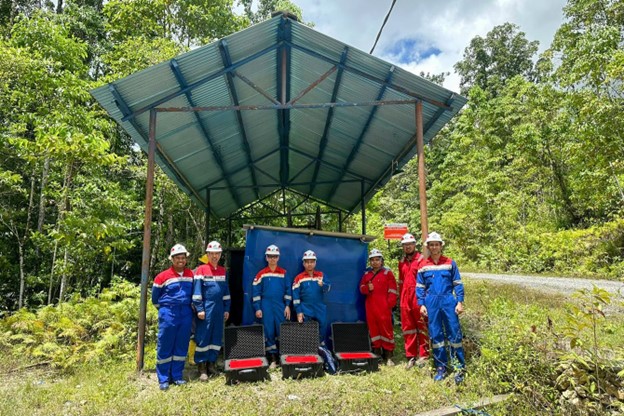
Kick-Off Meeting by Pertamina Hulu Energy, the Dean’s Office of FMIPA UGM, and the SP-ERT Research Study innovation team. From left to right: Dr. Wiwit Suryanto, Dr. T. Marwan Irnaka, Fatkhul Mu’in, Prof. Kuwat Triyana, Dr. Fajar Adi Kusumo, and Dr. Eddy Hartantyo (photo: Shofi R.)


With the spirit of strengthening scientific publication, the SP-ERT (Self Potential – Electrical Resistivity Tomography) research study at UGM Geophysics Laboratory collaborates with PT Pertamina Hulu Energi Upstream Innovation (PHE-UI) continued into 2024, marked by the Kick-Off Meeting on Feb 1st – 2nd Feb 2024, in the Merapi Room, Department of Physics, FMIPA UGM. This study is a development of laboratory and field-scale research that has been ongoing since 2022.

“This is the first kick-off activity in 2024,” said Dr. Wiwit Suryanto, Vice Dean for Research and Cooperation, in his opening remarks. “For us, it is a blessing because Upstream Innovation is still willing to collaborate with us to continue this research.”

The previously conducted SP-ERT study was deemed capable of detecting water injection activities at one of Pertamina’s fields. Its advantage lies in its ability to transmit data wirelessly, allowing users to access field data from anywhere using internet-connected devices.

In addition to the study’s advantages, Fatkhul Mu’in, Specialist Innovation Geophysics Upstream Innovation, is optimistic about the production of not only instruments and software but also scientific papers. “Among the many collaborations we have forged, FMIPA UGM feels beneficial. Unfortunately, it is not visible, only we (Upstream Innovation) know. Whereas in the geoscience community, it is not visible. This year, I ask to take the stage,” said Mr. Mu’in at the kick-off event.

Dean of FMIPA UGM, Prof. Kuwat Triyana, is aware of the lack of publications from studies at FMIPA UGM, particularly in geophysics. “Geophysics is a data repository. Hence, it is regrettable if, as a ‘warehouse’ of data, there is no time to write (for publication),” emphasized Prof. Kuwat, who also opened this activity.

The kick-off at the beginning of this year is expected to ignite a new spirit in scientific publication related to studies in UGM Geophysics, thus supporting Sustainable Development Goals. Point 4 about Quality Education is supported by contributions to the scientific community through scientific publications. Moreover, innovation and collaboration with industry are in line with point 9 by involving researchers, engineers, and lecturers.

Keywords: Geophysics, industry collaboration, Pertamina, water injection

Author: Shofi Rahmadini

Photo: Shofi Rahmadini

Editor: Febriska Noor Fitriana
Read More

Breaking Ground with Thermodrillsy Study Elaboration: Integration of Science, Engineering, and Industry Faculties

Discussion involving all parties involved in Thermodrillsy research, FMIPA UGM, FT UGM, Elnusa, and Pertamina Hulu Energy (01/02) at the Merapi Room, Department of Physics, FMIPA UGM (Photo by: Pamungkas Y)


In the context of elaborating the ongoing study collaboration between the Faculty of Mathematics and Natural Sciences (FMIPA) UGM, the Faculty of Engineering UGM, Pertamina Hulu Energi, and Elnusa, a progress meeting on the development study of Thermodrillsy was held on 1 – 2 February 2024 in the Merapi Room, Department of Physics, FMIPA UGM.

Dr. Afif Rakhman, Head of the Geophysics Laboratory, FMIPA UGM, stated during the opening of the event, “For us, this collaboration represents something new and a significant challenge. Thus, within the Department of Physics (DF) FMIPA UGM, we involve the Department of Industrial Mechanical Engineering (DTMI), Faculty of Engineering UGM, in conducting Pertabocsy research using Thermodrillsy.”

Pertabocsy is a method initially developed by Pertamina to map hydrocarbon potential based on temperature. The integration of industry (Pertamina) with academia (UGM) in this case, the Geophysics and Industrial Mechanical Engineering programs, is expected to address field challenges effectively.

“This research will be applied in swampy environments,” Dr. Afif explained the field challenges affecting the specifications of the equipment to be developed. Dr. Ir. Teguh Pudji Purwanto, representing DTMI, affirmed this statement. “The soil has bearing capacity, so our equipment must be able to handle this.”

Multidisciplinary integration can be the key to success. The collaboration fostered by the Department of Physics, FMIPA UGM, reflects point 17, which is a partnership for goal achievement through collaborative field study activities in fulfilling hydrocarbon resource needs.

Author: Shofi Rahmadini

Photos: Pamungkas Yuliantoro

Editor: Febriska Noor Fitriana
Read More

UGM Students Unveil Electric Motorcycle with 57% Domestic Content


The Gasbadra team at UGM has spearheaded research and development in Indonesia, focusing on creating electric motorcycles with an impressive 57.42% domestic component level (TKDN).


Dhamar Gumilang Panggayuh, the Gasbadra’s engineer, proudly shared the team’s achievement during a press discussion at the UGM Faculty of Mathematics and Natural Sciences on Thursday (Jan. 4).

“Our electric motor boasts a TKDN of 57.42%, surpassing the government’s target of 50% TKDN,” he declared.

The evolution of the electric motor has been ongoing since 2022, with the team continuously advancing various components under the guidance of the UGM Computer Science and Electronics Department lecturers. The project also receives support from PLN.

The Gasbadra team, led by Wisnu Aryo Jatmiko, has members Gilang Rizky Yunanto, Ferdian Arvin Nayandra, Alfahri Rifki Fahrezi, Heva Adlli Wijaya, Stefano Aldo Budi Satria, Rayhan Tegar Pamungkas, Muhammad Fakhri Ajrillah, Yuta Ilham Nugroho, Aulia Malik, Dhamar Gumilang Panggayuh, dan Faiz Yuda Anggoro–all are Electronics and Instrumentation students.

They diligently worked on crafting electric motorcycles to combat exhaust emissions from conventional fuel-based vehicles.

The team has delved into multifaceted research encompassing the frame, body, powertrain, and electric vehicle electronics, including the battery pack, power distribution, and BLDC controller.

“In our battery pack, we’ve incorporated a battery management system equipped with over-current, over-voltage, and short-circuit protection features to ensure battery safety,” explained Panggayuh.

Beyond safety, the Gasbadra team has prioritized efficiency and smooth starts for their electric motor. The team’s initiative aligns seamlessly with Sustainable Development Goal 7, which aims to achieve clean and affordable energy.

“In terms of electrical efficiency, our developed motor excels,” remarked Panggayuh.

Yuta Ilham Nugroho, another team member, highlighted that their electric motor’s range is comparable to other models on the market. However, it outshines competitors in producing a more powerful maximum output.

The team’s mid-drive DC brushless electric motor operates at 72V with a maximum current of 40A, delivering an impressive torque of 45Nm at 3000rpm and reaching speeds of 65-70 km/h with a max rpm of 4800.

The Gasbadra team has introduced two driving modes: eco mode and sport mode. In eco mode, the motor can cover an estimated 40 km on a single charge, emphasizing battery life.

On the other hand, sport mode prioritizes swift acceleration for a faster reach to the maximum speed. The estimated coverage in sport mode is up to 30 km.

“The fundamental difference in each mode lies in the acceleration curve. Sport mode reaches the maximum speed faster, while eco mode prioritizes battery life, offering smoother initial acceleration ideal for urban areas with flat terrain,” explained Nugroho.

The team has implemented a more responsive regenerative braking system in eco mode. When the throttle is released, regen brake activation produces reverse current, recharging the battery. The battery specifications include 84V 20Ah, requiring six to seven hours for a full charge.

“This electric motorcycle features a robust scrambler design, exuding a masculine aura tailored for terrain exploration. With a dual-purpose capability for road and off-road use,” he concluded.

Author: Ika

Photographer: Firsto

Source: https://ugm.ac.id/en/news/ugm-students-unveil-electric-motorcycle-with-57-domestic-content/

Read More

Empowering Indonesia’s Energy Future: FMIPA UGM and Pertamina Lead with Geophysics Innovation Study

The commitment to maintaining a balance between energy availability and demand is consistently pursued by FMIPA UGM and Upstream Innovation Pertamina Hulu Energi through collaborative research efforts. This aligns with the three SDGs points: (1) clean and affordable energy, (2) infrastructure, industry, and innovation, and (3) partnerships to achieve goals. In connection with this, a user meeting was organized as a discussion forum on geophysics innovation studies. The event took place on December 19-20, 2023, in Yogyakarta. Besides presenting research reports, the agenda served as a platform for disseminating knowledge related to the management and exploration of energy potential, especially petroleum.

One of the research topics under discussion is the Clean Technology SP-RT for Water Injection Monitoring. This research refers to clean energy-based innovations that are effective and cost-efficient. The effectiveness of existing innovations in the oil exploration process addresses the challenge of balancing energy availability and demand. On the other hand, the presence of innovation in this research undermines environmentally damaging methods, such as explosive detonation techniques.

Dr. T. Marwan Irnaka, M.Sc., a member of the research team, emphasized that the developed research must consider the conditions of the surrounding community. This is done to alleviate conflicts that often arise in society due to social sentiments formed towards energy exploration activities. “In the field, we (the research team) strive to build good interactions with the community using a positive approach. Even when leaving, we are sometimes detained,” recalled Irnaka during field exploration. In this regard, it is conveyed that the research conducted also provides an opportunity for students to be involved, allowing them to experience firsthand the implementation of knowledge acquired in the professional world. The hope is that geophysics studies will continue to evolve through ongoing research efforts to guide future energy exploration and management.

Humas FMIPA UGM | Febriska Noor Fitriana
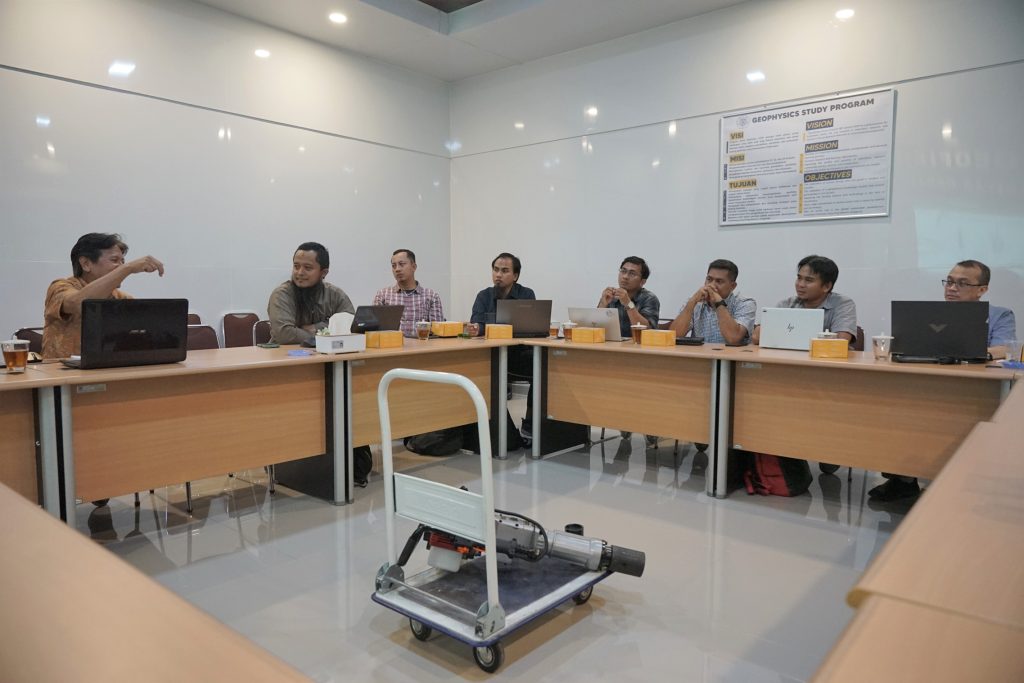
Photo: Shofi Rahmadini

Read More

Sustainable Innovation: Solar Power Lights Up Chicken Coops in Grembyangan Village, Sleman

In a corner of Grembyangan Village, Madurejo, Prambanan, Sleman, a sustainable breakthrough is bringing new light and knowledge. The Jago Rejeki Livestock Group, known for their “Jowo Super” chicken breed, has taken a significant step towards sustainability by implementing a Solar Power Plant (PLTS). With a capacity of 320 Wp, this PLTS has been installed in the livestock coop, serving as a symbol of progress and environmental concern.

The installation of the PLTS is not just about illumination. It’s about transformation. By using a 65 Ah dry battery and 5 DC 12V/12W lamps, this PLTS successfully provides lighting for the coop at night, improving the quality of life for the chickens and facilitating the farmers in managing the coop.

Beyond that, this initiative also serves as an educational tool for the residents, especially the members of the livestock group. They are introduced to environmentally friendly advanced technology, learn about the components of the PLTS, as well as its installation and operation. The initiator of this activity, Physics Department Lecturer at Gadjah Mada University, Ihsan Setiawan, M.Sc., has brought significant change to the community.

The implementation of PLTS is also in line with the Sustainable Development Goals (SDGs), particularly in the areas of clean and affordable energy (SDG 7), industry, innovation, and infrastructure (SDG 9), and climate action (SDG 13). This initiative not only reduces dependence on fossil energy but also helps to decrease greenhouse gas emissions, taking small yet crucial steps towards a more sustainable future.

This activity serves as evidence that small steps can make a big impact. Grembyangan Village, through this innovation, showcases how communities can collaborate to achieve sustainability and how technology can be the key to a brighter and greener future. (FNF/RNC)

Read More

Mahasiswa UGM Kembangkan AI dan AR untuk Perawatan dan Edukasi Kesehatan Gigi Anak

Dalam upaya meningkatkan perawatan dan edukasi kesehatan gigi dan mulut anak-anak, Tim PKM Pi Universitas Gadjah Mada (UGM) telah merintis inovasi luar biasa yang diberi nama “Aplikasi Gigi Kecil”. Aplikasi ini menggabungkan dan mengimplementasikan teknologi Artificial Intelligence  (AI) dan Augmented Reality (AR) untuk memberikan solusi atas permasalahan yang relevan dengan perkembangan zaman.

Aplikasi Gigi Kecil diinisiasi oleh tiga mahasiswa Pendidikan Dokter Gigi FKG, yaitu Dwina Aulia Ristyoningrum, Ariefa Nugrahany Nursalim, dan Ribka Wijayanti Kusnardi serta berkolaborasi dengan dua mahasiswa Ilmu Komputer FMIPA, yaitu Fitriansyah Eka Putra dan Khoirul Anam   . Di bawah bimbingan drg. Mohammad Fadyl Yunizar, MPH., Ph.D., kelimanya mengembangkan aplikasi Gigi Kecil dengan pendanaan dari Program Kreativitas Mahasiswa Penerapan IPTEK (PKM-PI) Kemendikbud Ristek 2023.

Inovasi ini bermula dari permasalahan yang dihadapi RSGM UGM Prof. Soedomo dalam  perawatan gigi anak. “Promosi kesehatan gigi anak yang dilakukan oleh RSGM UGM masih sangat terbatas, hanya melalui akun instagram dan website. Itu pun kami hanya memiliki sedikit konten edukasi kesehatan gigi anak,” tutur Humas RSGM UGM Prof. Soedomo saat berdiskusi dengan tim PKM PI. Selain itu, pihak RSGM juga menyatakan bahwa pasien anak sering mengalami ketidakberlanjutan perawatan. “Banyak pasien anak yang perawatannya putus di tengah jalan. Selama ini, tidak ada yang dapat memonitor perawatan pasien anak, terutama dalam perawatan jarak jauh”. Padahal, kesehatan gigi dan mulut anak sangat perlu diperhatikan. Gigi susu sangat mempengaruhi gigi permanen yang tumbuh. Apabila tidak terjadi ketidaksempurnaan dalam perawatan, maka akan mempengaruhi gigi permanen yang tumbuh.

Dari persoalan dan kekhawatiran tersebut dikembangkanlah aplikasi Gigi kecil yang merupakan aplikasi Android dengan fitur utama berupa Screening yang dapat mengidentifikasi karies pada gigi anak secara real-time dengan menerapkan artificial intelligence sebagai pendeteksinya. Ada pula fitur Ayo Belajar! Yang merupakan fitur edukasi berbasis augmented reality untuk membantu anak kecil memahami mengenai proses gigi berlubang. Aplikasi Gigi Kecil juga menyediakan fitur Kalender, Pengingat, dan Fitur Chat yang akan terintegrasi dengan RSGM UGM Prof. Soedomo.

Aplikasi ini telah diuji cobakan pada pembukaan Bulan Kesehatan Gigi Nasional yang diselenggarakan pada tanggal 12 September 2023 di FKG UGM dan RSGM UGM Prof Soedomo. Aplikasi ini mendapat antusiasme tinggi dari masyarakat, khususnya pasien anak rsgm UGM prof Soedomo. Melalui uji coba ini, terbukti banyak pengunjung Ibu yang memiliki anak terkesan dengan fitur yang dimiliki aplikasi ini, terutama konsultasi gratis dengan dokter gigi profesional. Sedangkan, pasien anak langsung menyukai permainan edukasi berbasis augmented reality yang menjadi andalan aplikasi ini. Tidak hanya itu, banyak Staff RSGM Prof. Soedomo yang merasa terbantu dengan adanya aplikasi ini. Mereka sangat berharap, dalam perkembangan selanjutnya, aplikasi ini mampu terintegrasi seutuhnya dengan manajemen rumah sakit sehingga digitalisasi pelayanan kesehatan dapat membawa keefektifan dan keefisienan sistem rumah sakit.

Dengan adanya aplikasi ini, diharapkan masyarakat akan lebih teredukasi akan pentingnya kesehatan gigi anak, terputusnya perawatan kesehatan di RSGM Prof. Soedomo akan berkurang, serta pelayanan kesehatan gigi dan mulut dapat optimal. Adanya aplikasi ini menjadikan RSGM. Prof. Soedomo sebagai satu-satunya Rumah Sakit Gigi dan Mulut yang memiliki aplikasi digital. Ditambah lagi, aplikasi ini bukan hanya untuk pendaftaran online, tetapi mampu mengedukasi serta memantau selama periode perawatan gigi dan mulut anak. Melalui aplikasi ini, kualitas kesehatan gigi dan mulut anak Indonesia akan meningkat!

Tim PKM-PI saat ini dalam tahapan mengunggah Aplikasi Gigi Kecil ke Google PlayStore, namun masyarakat dapat mencoba menggunakan Aplikasi Gigi Kecil melalui laman alternatif yang disediakan yaitu https://linktr.ee/gigikecil. Melalui Aplikasi Gigi Kecil mereka berharap dapat membantu RSGM UGM Prof. Soedomo dalam mempromosikan serta mengedukasi masyarakat mengenai kesehatan gigi anak.

Read More
Translate