Hearing FMIPA UGM 2026 Addresses Student Concerns on Academic Governance and Services
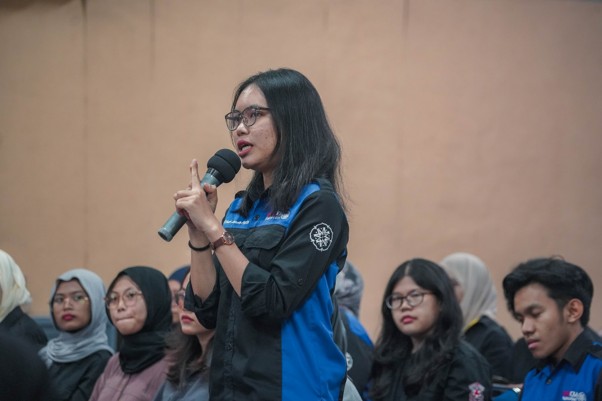
The Faculty of Mathematics and Natural Sciences (FMIPA) Universitas Gadjah Mada (UGM) has taken up a range of student concerns over academic governance and services, campus facilities, and other student matters through its annual Hearing FMIPA 2026. Held on Thursday, September 17, at the RMJT Soehakso Auditorium, the forum brought together student representatives and faculty officials to discuss concerns and work out possible follow-up actions.
The hearing was organized by the Advocacy and Student Welfare Division (Adkesma) of the FMIPA UGM Student Executive Board (BEM KM FMIPA UGM) to gather student concerns and take them up directly with the faculty. The issues covered academic and non-academic services, facilities, and other aspects of student life.
The chairperson of BEM KM FMIPA UGM said the forum gave students and faculty officials an opportunity to work through problems and identify solutions that could be followed up.
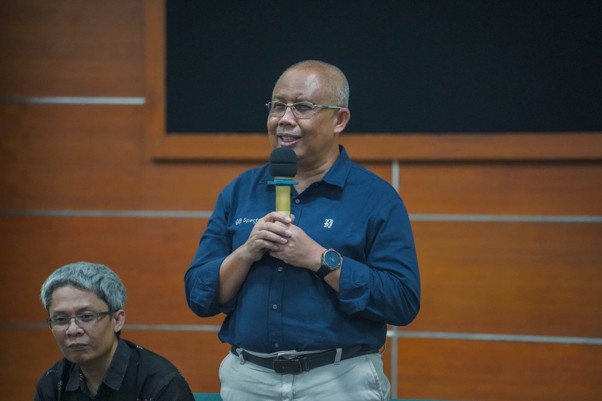
“Through this forum, we can find practical solutions and better ways forward, both for academic and non-academic matters as well as student facilities. The goal is to create a more competitive and inclusive FMIPA,” the chairperson said.
Faculty representatives also responded to the concerns by laying out several measures to support student development and competitiveness. The discussion included plans to expand international partnerships, while the faculty also called on students to give input on its future strategies.
The discussion then moved on to issues presented by the BEM KM FMIPA UGM Reviewer Team. Each issue was taken up with faculty officials to work out recommendations and determine follow-up actions based on the authority of the faculty or individual study programs.
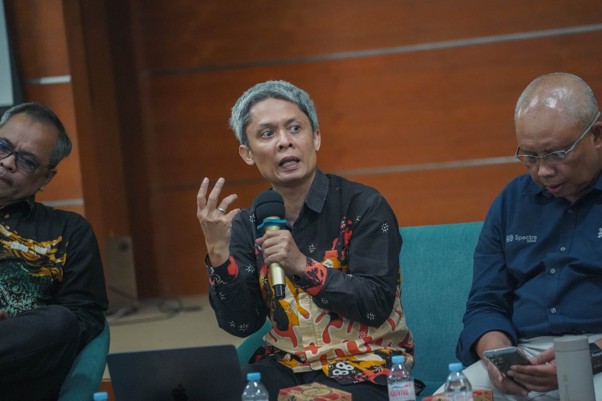
One of the recommendations was to draw up an academic handbook containing information on student services and administrative procedures. The handbook is targeted to be completed before December 2026, followed by socialization for students. The information is also expected to be updated regularly to keep up with changes in academic regulations and student needs.
Other issues discussed included the operating hours of campus facilities, library services, flexibility in class schedules that overlap with prayer times, parking regulations, internship opportunities, and the management of student discussion spaces. The faculty will follow up on the issues according to their respective responsibilities.
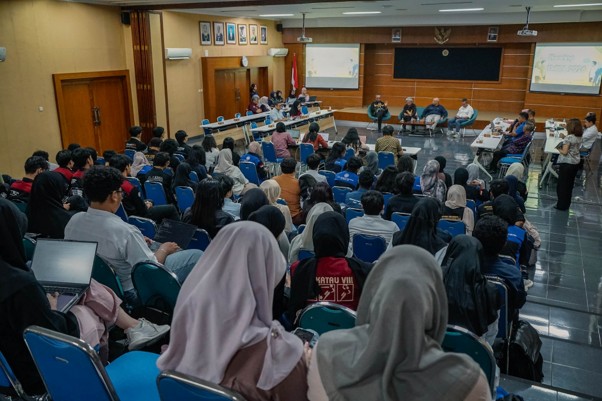
The Hearing FMIPA 2026 also contributes to the Sustainable Development Goals (SDGs), particularly SDG 4 on Quality Education and SDG 16 on Peace, Justice and Strong Institutions. By bringing students and faculty officials together to work through concerns and follow up on recommendations, the forum supports dialogue and more responsive decision-making at the faculty level.
Writer: Inna Mutifah
Photographer: Afiandina Sukma