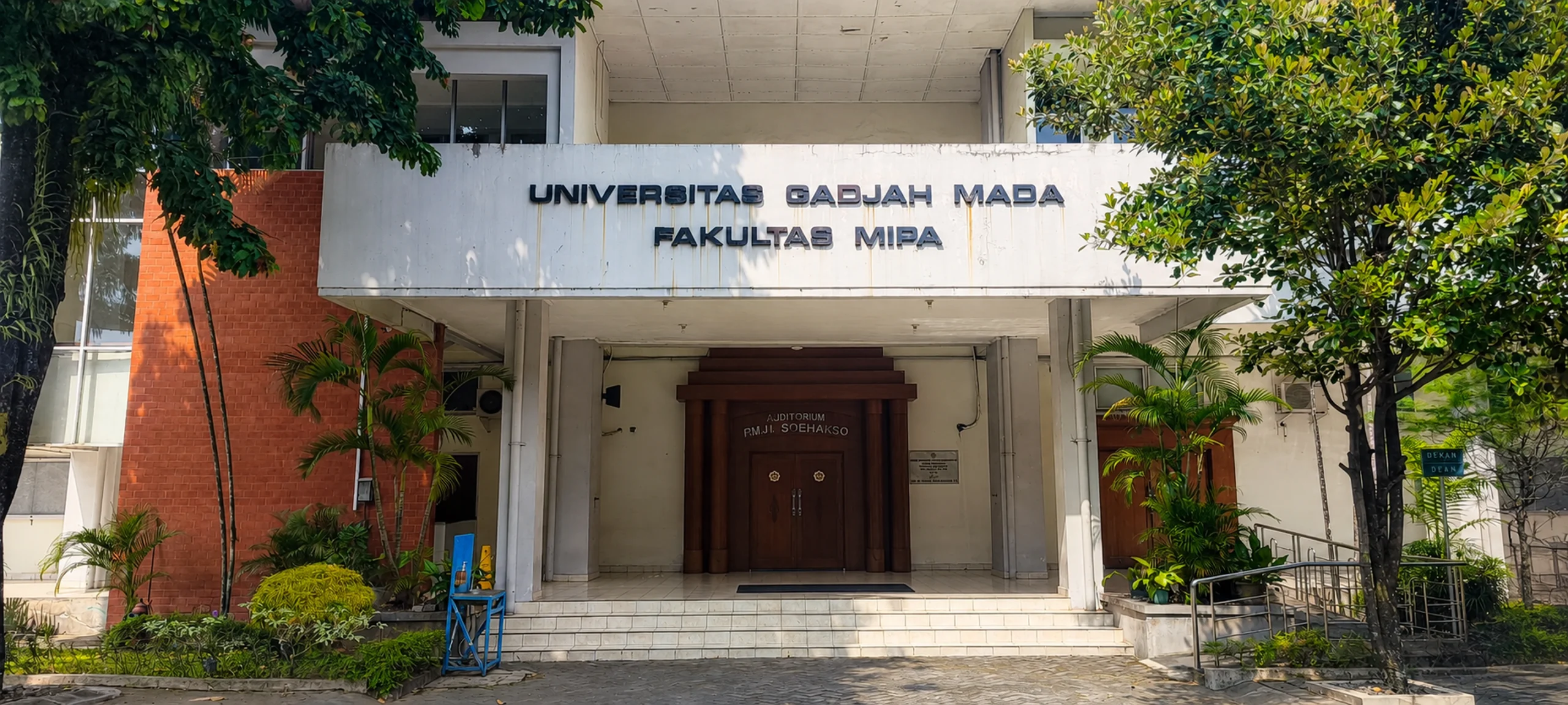
About FMIPA
Learning, Discovering, and Innovating for Society
The Faculty of Mathematics and Natural Sciences, Universitas Gadjah Mada, carries a long legacy of scientific education, research, and service to society. Officially established on September 19, 1955, FMIPA UGM grew from its early roots within the Faculty of Engineering into an independent faculty dedicated to advancing exact and natural sciences. From its first department in Exact Sciences, the faculty has continued to expand through the development of Physics, Chemistry, Mathematics, Statistics, Computer Science, Geophysics, Electronics and Instrumentation, and Actuarial Science. Throughout its journey, FMIPA UGM has strengthened its academic programs, research facilities, laboratories, and learning environment while responding to changing scientific and societal needs. Today, the faculty brings together students, lecturers, researchers, staff, and alumni in a dynamic academic community committed to producing knowledge, nurturing innovation, and contributing to Indonesia and the wider world through mathematics, science, technology, and interdisciplinary collaboration.
Officially established in
1955
Total university students
3,572
People
Lecturers
201
People
Research and Innovation Center
7
Facilities
Basic Information
FMIPA UGM by the numbers
Numbers below summarize basic information as documented in the faculty profile.
Indonesian university ranking
1
st
in academic reputation, as presented in QS-related faculty profile.
In the QS World University Rankings
206
th
*From the 2027 QS World University Rankings
Competitions
182
Achievements
30 international wins and 152 national level.
Supporting staff members.
141
People
Postdoctoral study programs.
4
Clusters
Total undergraduate students.
2,908
People
Our History
From exact sciences to interdisciplinary innovation
FMIPA UGM’s story reflects the development of science education at Universitas Gadjah Mada and the growth of scientific infrastructure in Yogyakarta.
A concise timeline helps visitors understand the faculty’s long institutional journey without overwhelming the main About page.
The Department of Exact Sciences existed as part of the Civil Engineering Department within the Faculty of Engineering.
The faculty was officially established through the Minister of Education, Teaching, and Culture’s decree.
The Faculty of Exact Sciences and Natural Sciences began separating from the Faculty of Engineering.
The faculty added the Department of Natural Sciences and later the Department of Chemistry; academic activity then moved toward Sekip Unit III.
Statistics, Computer Science, Geophysics, Electronics and Instrumentation, and graduate programs expanded the faculty’s academic scope.
The Actuarial Science undergraduate program was established under the Department of Mathematics. The Department of Computer Science and Electronics was approved, bringing Computer Science and Electronics and Instrumentation into a dedicated department.
Academics
Programs that connect fundamentals with the future
Undergraduate
Master
Doctoral
Vision and Mission
Direction for mathematics, sciences, and technology
Vision
To be a global hub of excellence in mathematics, sciences, and technology imbued with the nation’s cultural values based on Pancasila.
Mission
Creating innovative leaders in mathematics, sciences, and technology for a sustainable future.
Strategic Direction
Focused on reputation, employability, contribution, and welfare
FMIPA’s strategic direction can be summarized into four priorities that guide academic quality, research impact, social contribution, and campus well-being.
Employability
Equip graduates with strong hard skills, soft skills, global networks, and career readiness rooted in science.
Academic Reputation
Strengthen the faculty’s standing through excellent research, high-quality publications, and internationally recognized academic achievements.
Contribution to Society
Advance education, research, innovation, community service, and industrial development that contribute to society.
Welfare
Create a healthy, pleasant, and sustainable academic environment supporting well-being and learning achievement.
Organizational Structure
Clear leadership, accountable governance, and academic support
Faculty Senate
Normative leadership and academic oversight. The Faculty Senate is the highest normative body at the faculty level. It provides formulation, guidance, regulation, supervision, development, evaluation, and recommendations to faculty leadership
Faculty Leaderships
Dean and vice deans. The faculty is led by the Dean, assisted by vice deans covering education and student affairs, finance, assets, human resources, research, community service, alumni, cooperation, and innovation.
Prof. Dr.-Ing. Mhd. Reza M. I. Pulungan, S.Si., M.Sc.
Dean
4 Vice Deans
Education, finance, research, alumni, cooperation, and innovation

Prof. Dr.-Ing. Mhd. Reza M. I. Pulungan, S.Si., M.Sc.
Dean
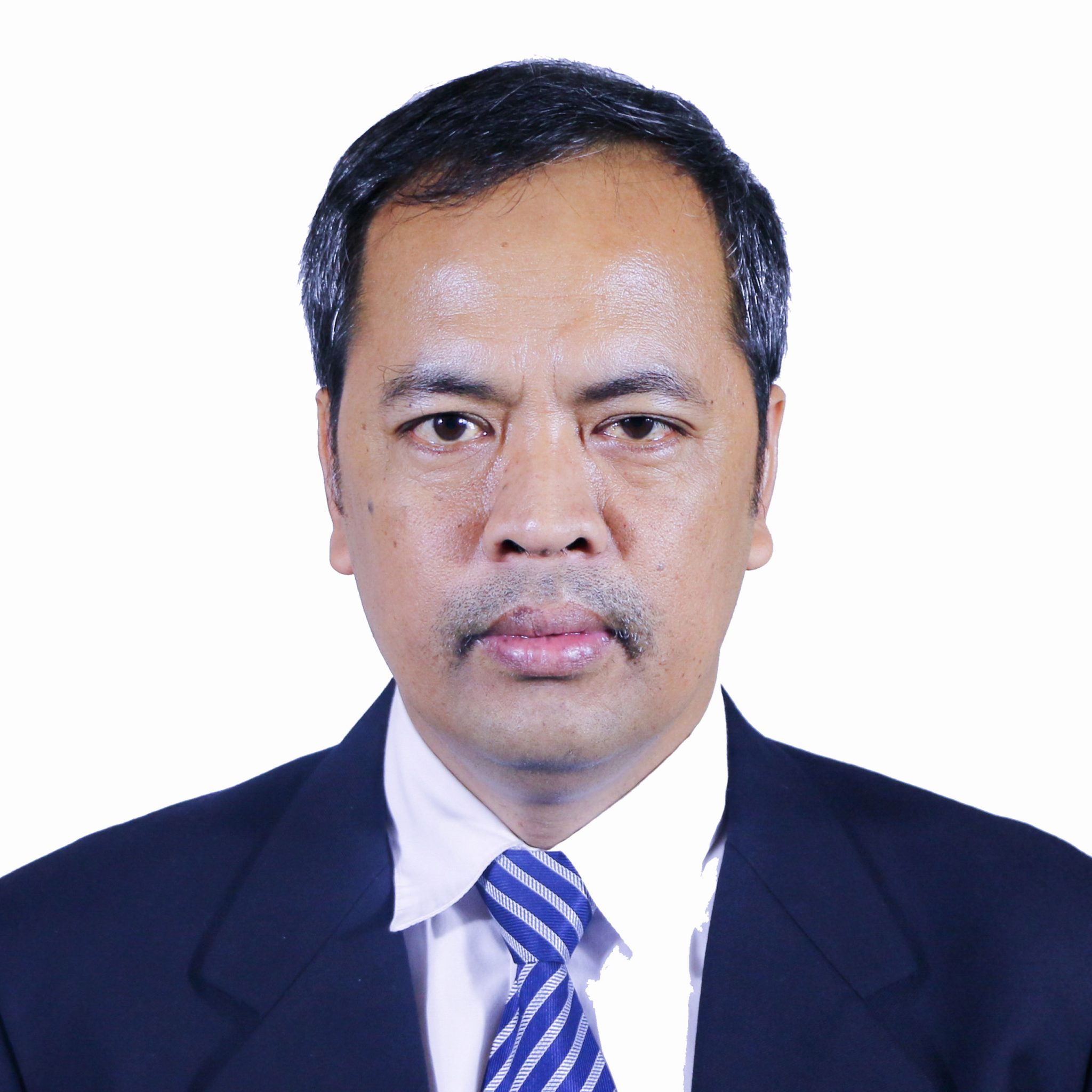
Prof. Drs. Roto, M.Eng., Ph.D.
Vice Dean for Education, Teaching, and Student Affairs

Prof. Dr.-Ing. Mhd. Reza M. I. Pulungan, S.Si., M.Sc.
Vice Dean for Finance, Assets, and Human Resources
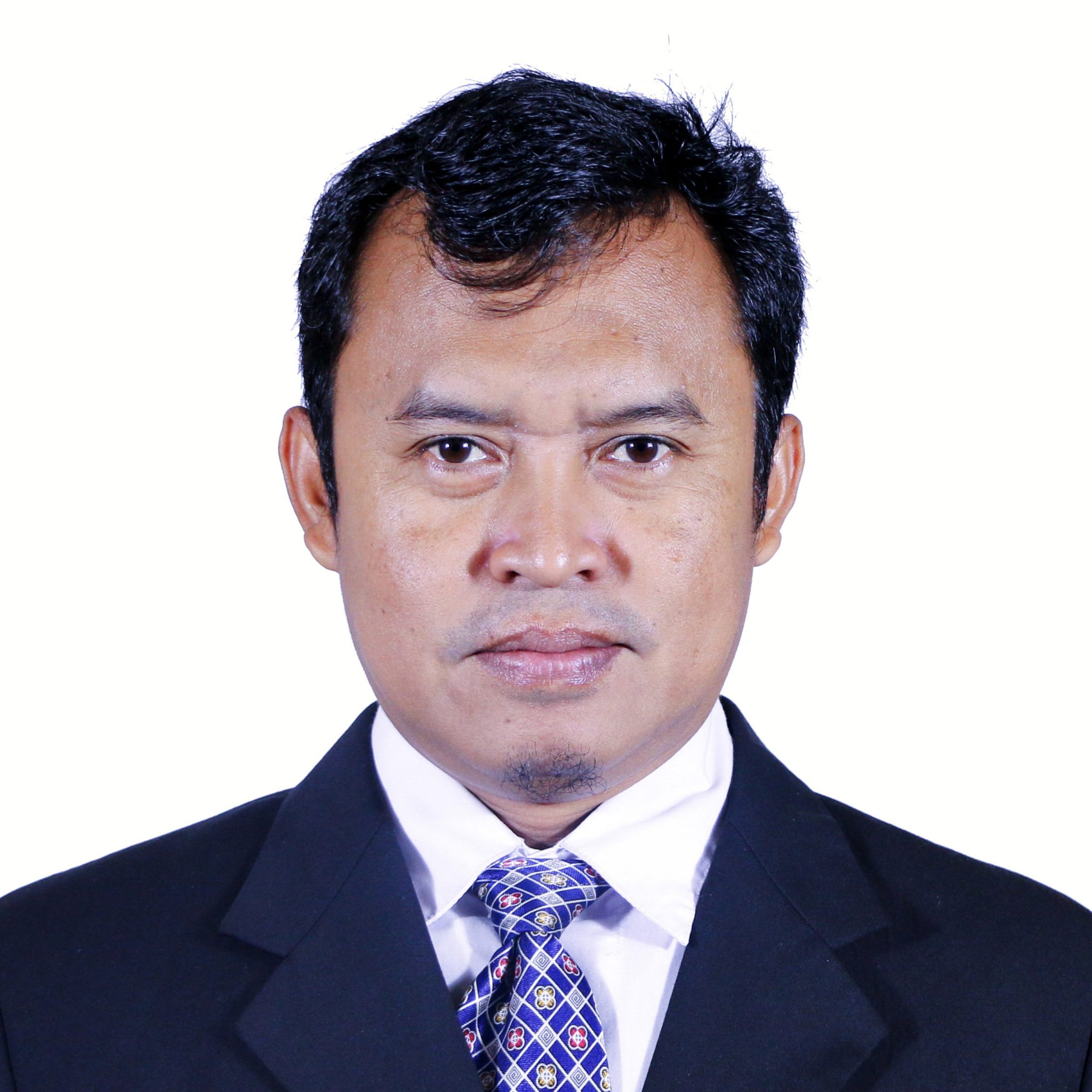
Dr.rer.nat. Wiwit Suryanto, S.Si., M.Si.
Vice Dean for Research and Community Service
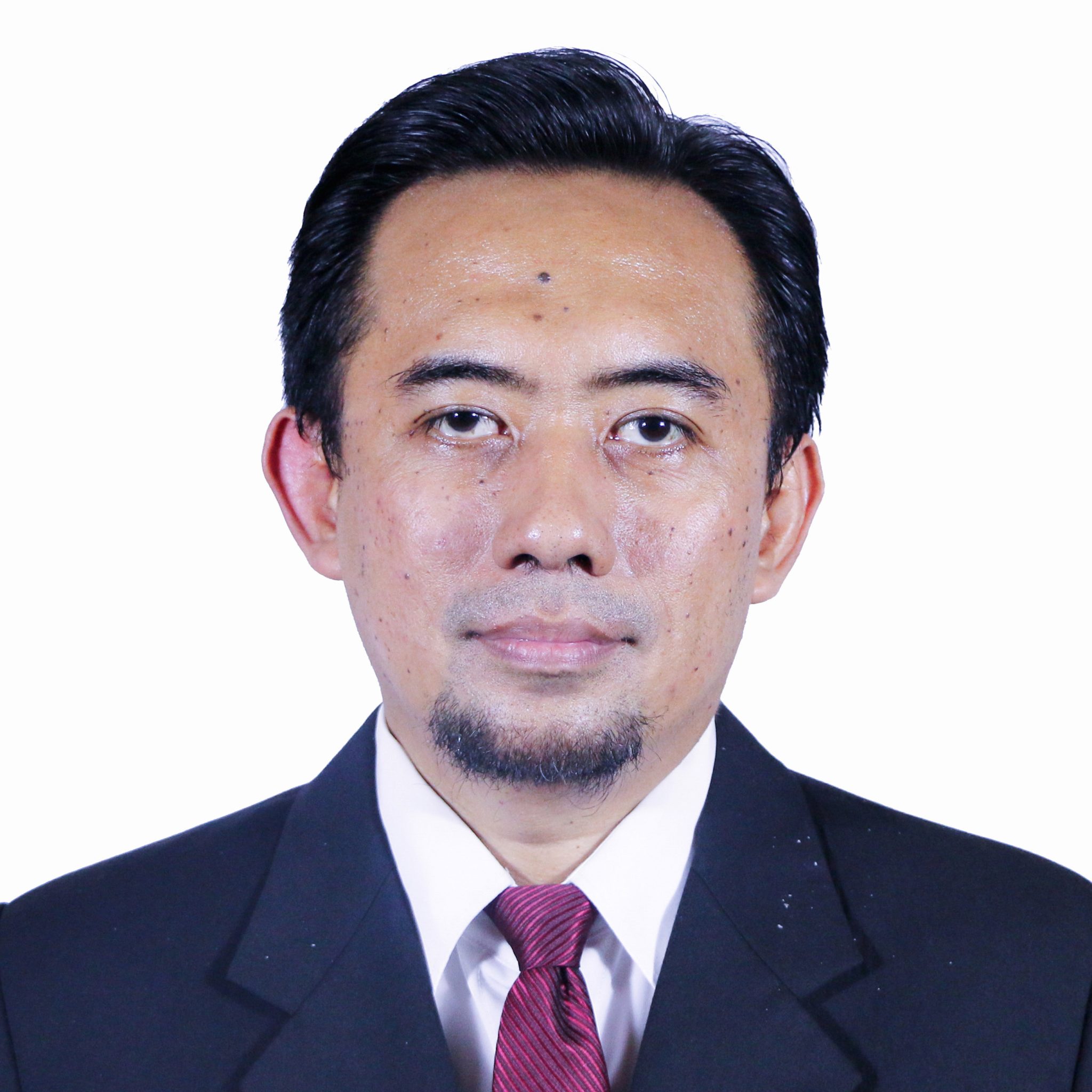
Prof. Dr. Fajar Adi Kusumo, S.Si., M.Si.
Vice Dean for Alumni, Cooperation, and Innovation